What this guide helps you decide
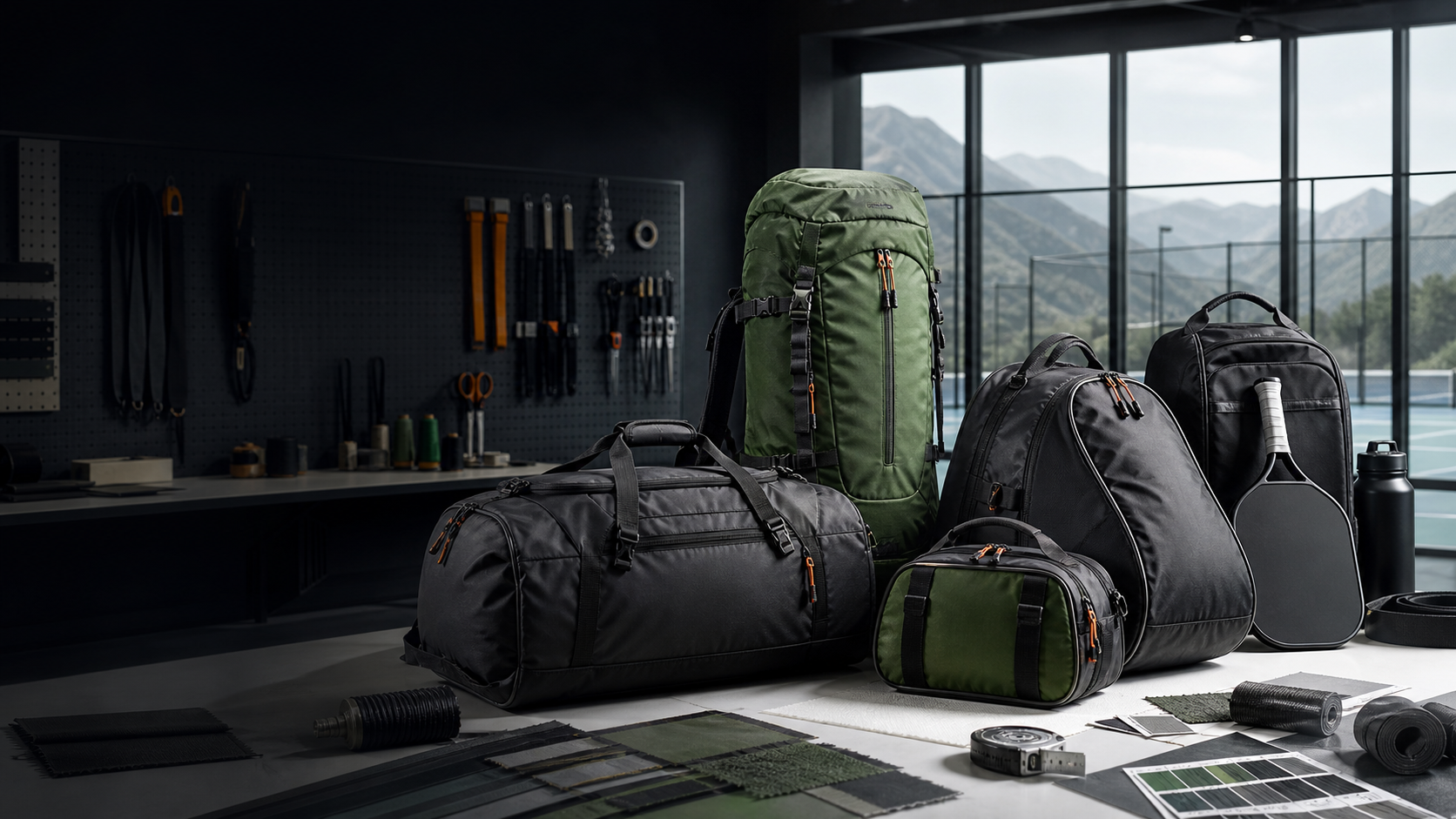
This guide turns hiking backpack customization from a vague sourcing topic into a practical manufacturing brief. Buyers should define the sales channel, target customer, product promise, order quantity, materials, logo method, packaging, and inspection expectations before asking for a final quotation.
This guide turns hiking backpack customization from a vague sourcing topic into a practical manufacturing brief. Buyers should define the sales channel, target customer, product promise, order quantity, materials, logo method, packaging, and inspection expectations before asking for a final quotation. This level of detail helps Google understand the topic and helps real buyers compare factories by production thinking, not by generic promises.
Product structure and feature planning
The strongest hiking backpack customization projects rank features by real customer value. Useful details include zipper movement, pocket access, strap comfort, lining quality, loaded shape, fold size, storage logic, and brand placement. Decorative complexity should not replace reliable function.
The strongest hiking backpack customization projects rank features by real customer value. Useful details include zipper movement, pocket access, strap comfort, lining quality, loaded shape, fold size, storage logic, and brand placement. Decorative complexity should not replace reliable function. This level of detail helps Google understand the topic and helps real buyers compare factories by production thinking, not by generic promises.
Materials, trims, and logo methods
Material choice affects cost, handfeel, durability, sewing difficulty, and the final brand impression. Common options include polyester, nylon, coated fabric, ripstop, PU leather, RPET fabric, air mesh, satin lining, webbing, buckles, zipper pullers, rubber patches, woven labels, heat transfer, embroidery, debossing, and foil stamping.
Material choice affects cost, handfeel, durability, sewing difficulty, and the final brand impression. Common options include polyester, nylon, coated fabric, ripstop, PU leather, RPET fabric, air mesh, satin lining, webbing, buckles, zipper pullers, rubber patches, woven labels, heat transfer, embroidery, debossing, and foil stamping. This level of detail helps Google understand the topic and helps real buyers compare factories by production thinking, not by generic promises.
Sampling and revision workflow
A first sample should be tested with real contents and realistic handling. Rackets, paddles, shoes, bottles, passports, laptops, towels, apparel, or amenity products should be placed into the item exactly as customers will use it. Specific sample comments shorten the route to bulk approval.
A first sample should be tested with real contents and realistic handling. Rackets, paddles, shoes, bottles, passports, laptops, towels, apparel, or amenity products should be placed into the item exactly as customers will use it. Specific sample comments shorten the route to bulk approval. This level of detail helps Google understand the topic and helps real buyers compare factories by production thinking, not by generic promises.
QC and shipment evidence
Before shipment, overseas buyers should request photos of the full product, inside structure, material details, logo application, functional pockets, packing method, carton marks, and random detail checks. This evidence helps confirm production quality before goods leave the factory.
Before shipment, overseas buyers should request photos of the full product, inside structure, material details, logo application, functional pockets, packing method, carton marks, and random detail checks. This evidence helps confirm production quality before goods leave the factory. This level of detail helps Google understand the topic and helps real buyers compare factories by production thinking, not by generic promises.
How to write a better RFQ
A strong RFQ includes product type, dimensions, reference photos, required compartments, material preference, logo method, order quantity, target price level, packaging requirements, destination market, sample deadline, and compliance needs. If these details are not ready, start with the business goal and ask the factory to suggest a sample-ready route.
A strong RFQ includes product type, dimensions, reference photos, required compartments, material preference, logo method, order quantity, target price level, packaging requirements, destination market, sample deadline, and compliance needs. If these details are not ready, start with the business goal and ask the factory to suggest a sample-ready route. This level of detail helps Google understand the topic and helps real buyers compare factories by production thinking, not by generic promises.